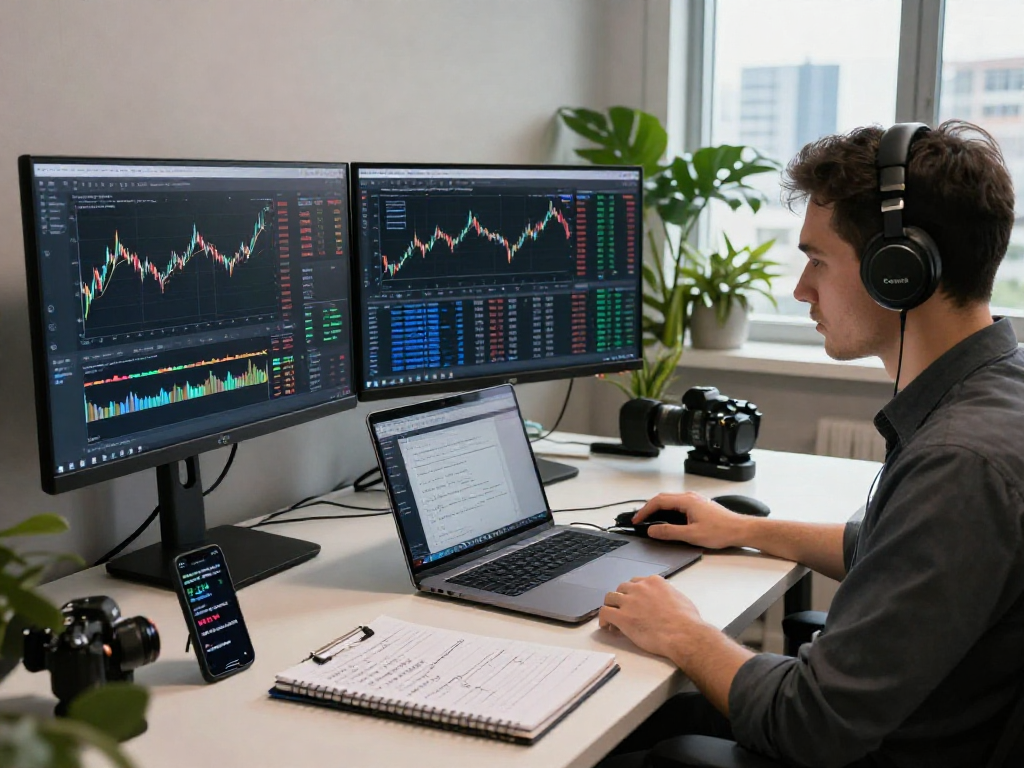
Understanding kyber-swap: An Overview of Its Functionality
In the world of decentralized finance (DeFi), kyber-swap stands out as a pivotal platform enabling seamless cryptocurrency exchanges across multiple blockchain environments. Established by the Kyber Network, this decentralized exchange (DEX) serves both casual users looking to trade and seasoned liquidity providers seeking to maximize their returns. By offering an array of innovative features, kyber-swap enhances user experience while prioritizing security, efficiency, and flexibility. In this article, we will delve into the mechanisms behind kyber-swap, its key features, and how it positions itself in the ever-evolving DeFi landscape.
What is kyber-swap and How Does It Operate?
Kyber-swap is a decentralized exchange and liquidity aggregator designed to facilitate cryptocurrency trading without the need for a central authority. Users can easily swap different tokens while retaining complete control over their assets throughout the process. The platform operates through smart contracts, enabling trades to execute swiftly and directly on the blockchain. Unlike traditional exchanges that require users to deposit funds into a centralized wallet, kyber-swap ensures that assets remain in the user's wallet until a trade is completed, embodying the core principles of decentralization.
Key Features and Benefits for Users
Kyber-swap is equipped with a plethora of features designed to enhance trading efficiency and user experience:
- Dynamic Market Maker Model: This model adjusts trading fees based on market conditions, ensuring liquidity providers are compensated fairly while offering competitive prices to traders.
- Best-Rate Aggregation: The aggregation engine analyzes multiple liquidity sources to provide users with the best available rates for their trades, reducing slippage.
- Cross-Chain Functionality: Users can swap tokens across different blockchains seamlessly, expanding their trading options and increasing liquidity access.
- Non-Custodial Trading: Kyber-swap allows users to trade without surrendering custody of their assets, enhancing security and trust.
- Limit Orders: Traders can set specific price points for their trades, enabling more strategic decision-making.
Getting Started with kyber-swap: A Step-by-Step Guide
Setting Up Your Wallet for kyber-swap
To begin trading on kyber-swap, you will first need a compatible cryptocurrency wallet. Popular choices include MetaMask, Trust Wallet, and Coinbase Wallet. Follow these steps to set up a wallet:
- Download and install the wallet application on your device.
- Follow the instructions to create a new wallet, ensuring you securely store your recovery phrase.
- Fund your wallet with cryptocurrency assets compatible with kyber-swap (e.g., ETH, DAI, USDC).
Executing Your First Trade
Once your wallet is set up and funded, you can execute your first trade on kyber-swap:
- Visit the kyber-swap platform and connect your wallet.
- Select the tokens you wish to swap and enter the amount.
- Review the quoted rate, slippage tolerance, and potential fees.
- Confirm the transaction in your wallet to execute the swap.
Managing Fees and Optimizing Costs
Transacting on a decentralized exchange can incur various fees that may impact your overall trading profitability. To manage these effectively:
- Choose the optimal blockchain for your trade to minimize gas fees.
- Utilize kyber-swap’s features to aggregate liquidity for better rates and lower slippage.
- Monitor market trends to decide when to execute trades and reduce exposure to high fee periods.
Advanced Trading Strategies on kyber-swap
Utilizing Limit Orders for Efficient Trading
Limit orders are a powerful tool that allows traders to execute trades at predetermined prices. This feature minimizes the risk of slippage and ensures better price execution compared to market orders. To set a limit order on kyber-swap:
- Navigate to the limit order section of the platform.
- Specify the token pair, desired price, and order size.
- Confirm the order, and kyber-swap will execute the trade once the market price reaches your specified limit.
Capital-Efficient Liquidity Provision
Liquidity providers play a crucial role in decentralized exchanges. On kyber-swap, providers deposit tokens into liquidity pools and earn fees from trades executed within those pools. By leveraging the dynamic market maker model, liquidity providers can:
- Customize their fee structures based on market volatility.
- Focus on assets with high trading volume to maximize fee earnings.
- Participate in yield farming to earn additional rewards on their liquidity provision.
Minimizing Impermanent Loss in Liquidity Pools
Impermanent loss is a common risk for liquidity providers resulting from fluctuating token prices. To mitigate this risk on kyber-swap:
- Provide liquidity for pairs with correlated assets, such as stablecoins.
- Regularly monitor your investments and consider withdrawing liquidity during high volatility.
Security Measures and Best Practices with kyber-swap
Importance of Smart Contract Audits
Security is paramount in the DeFi space, and kyber-swap ensures its smart contracts undergo rigorous audits to identify vulnerabilities. These audits are crucial to maintaining user trust and ensuring the integrity of the trading platform.
Non-Custodial Trading and User Sovereignty
One of kyber-swap's defining features is its non-custodial nature. Users retain control over their crypto assets throughout the trading process, significantly reducing the risk of hacks or fraudulent activities typically associated with centralized exchanges.
Risk Management Strategies for Traders
To navigate the inherent risks of DeFi trading, investors should implement sound risk management strategies:
- Conduct thorough research before engaging with any token or pool.
- Diversify your investments to spread risk across multiple assets.
- Set clear trading goals and exit strategies to minimize losses.
The Future of kyber-swap: Trends and Innovations for 2026
Expansion Across New Blockchains
As the DeFi ecosystem continues to evolve, kyber-swap aims to expand its presence across new blockchains. By integrating with emerging networks, the platform enhances its liquidity and user access, ensuring comprehensive support for diverse asset classes.
Emerging Features and Updates to Expect
Looking ahead, kyber-swap plans to introduce additional features aimed at improving user experience and trading efficiency:
- Enhanced analytics tools for better trading insights.
- Integration of advanced trading functionalities, such as stop-loss orders.
- Community-driven features through ongoing governance discussions within KyberDAO.
Community Governance and Its Impact on Development
Through KyberDAO, KNC token holders actively participate in decision-making processes, shaping the future of kyber-swap. This decentralized governance model fosters community engagement and ensures the platform evolves in alignment with user needs.